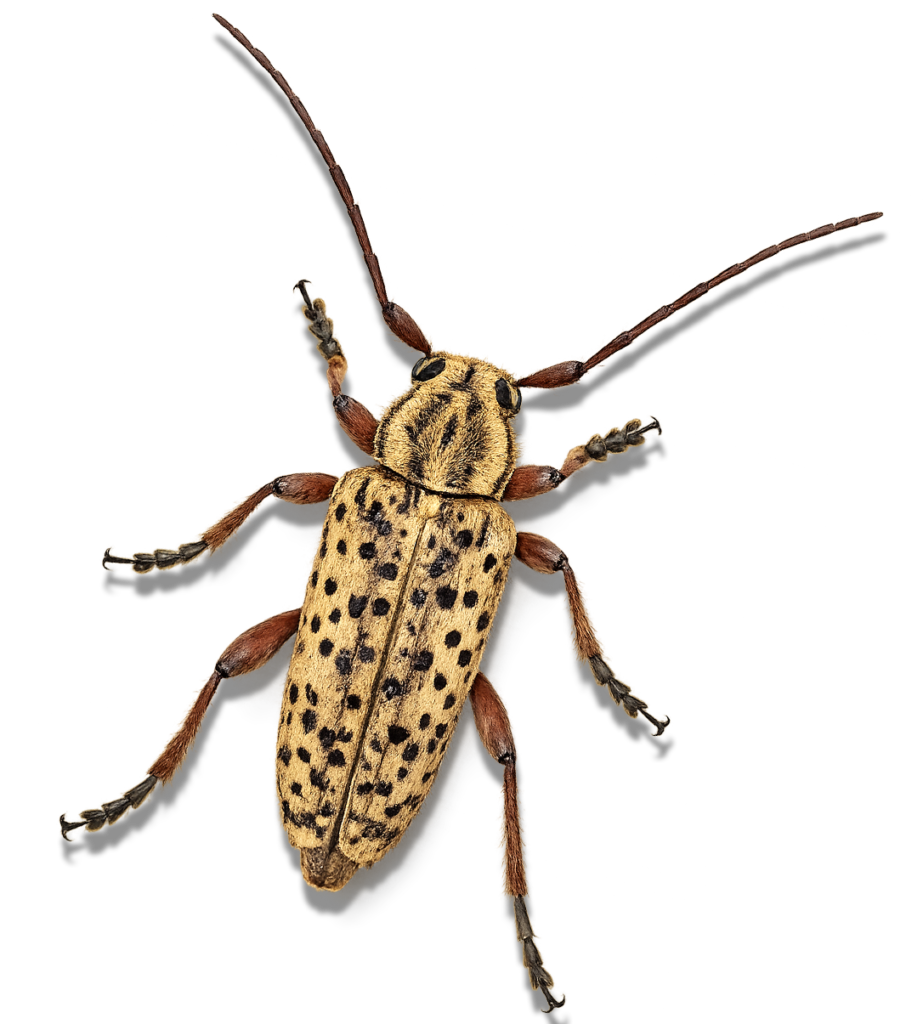
Attracts moths, beetles, and other nocturnal insects
Designed for efficient, unattended trapping
Runs on USB-A power banks or portable power stations
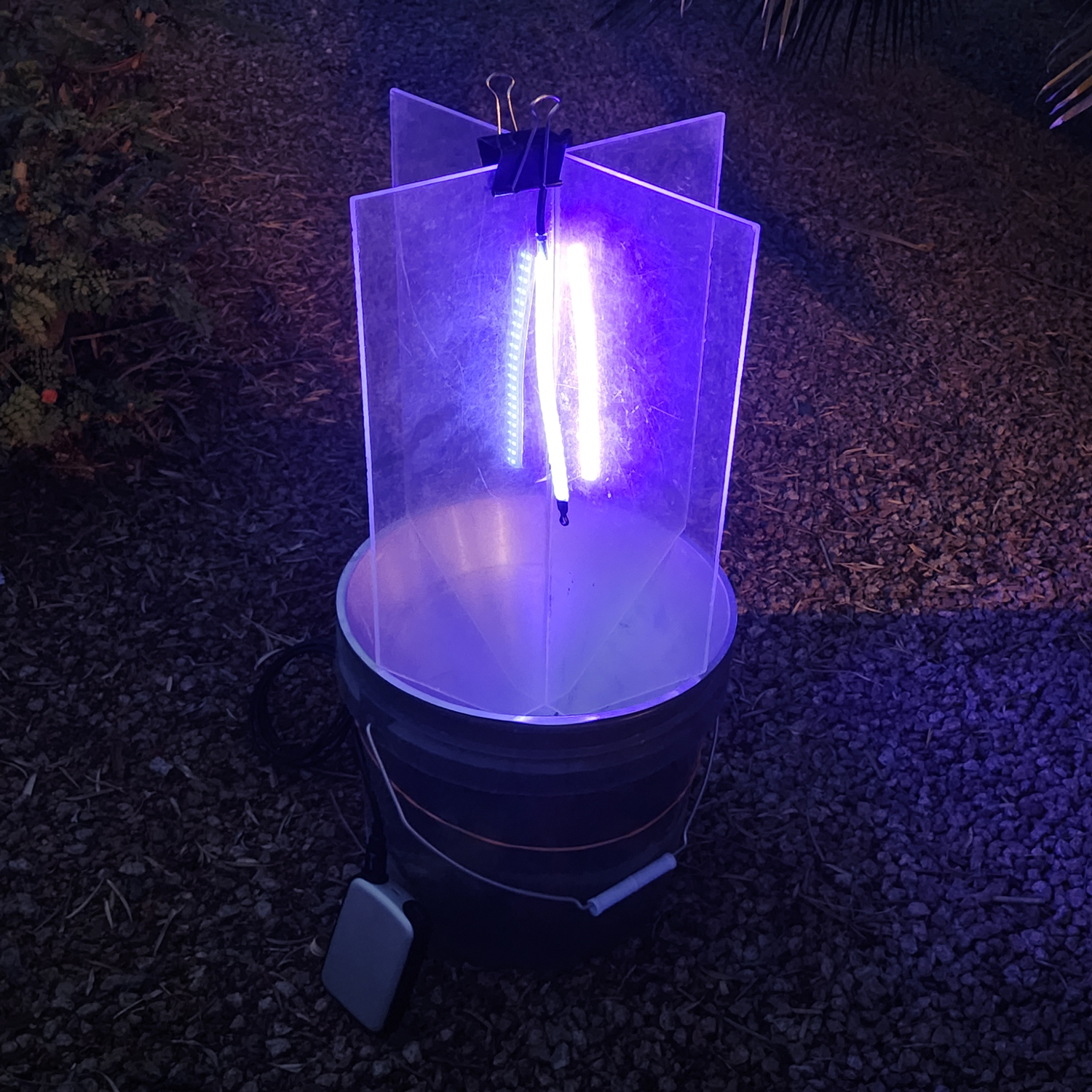
Compatible with bucket, panel, malaise, and other traps
Rugged, weather-resistant construction
Dual UV output (365 nm + 395 nm)
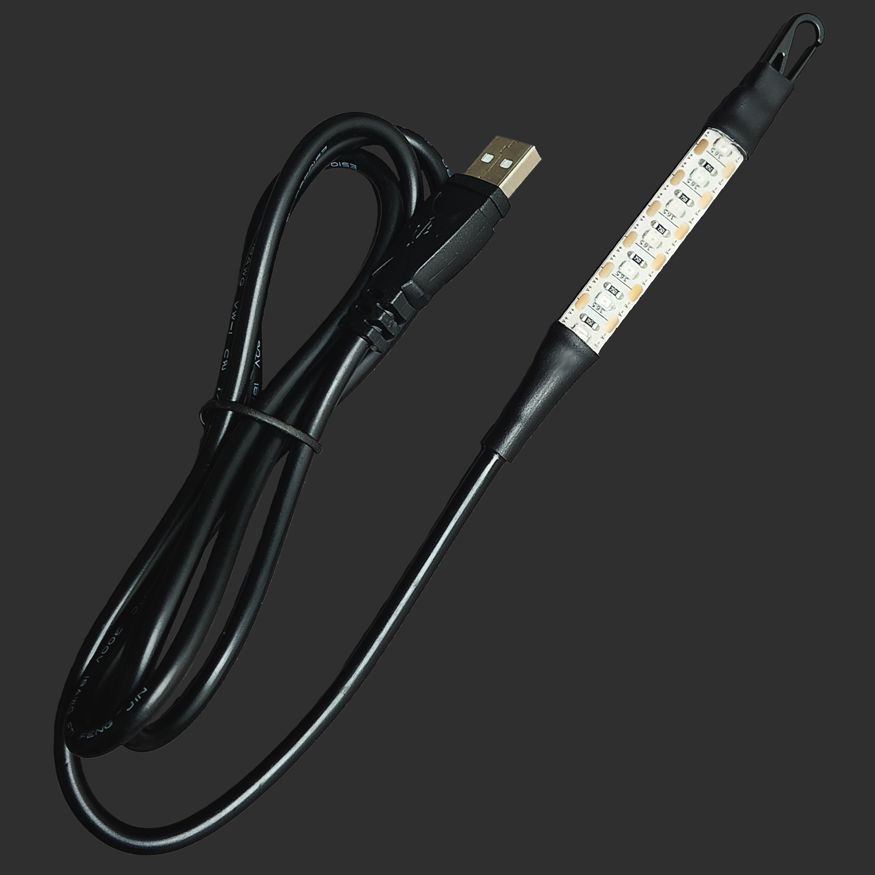
4 ft. cord
Available sizes
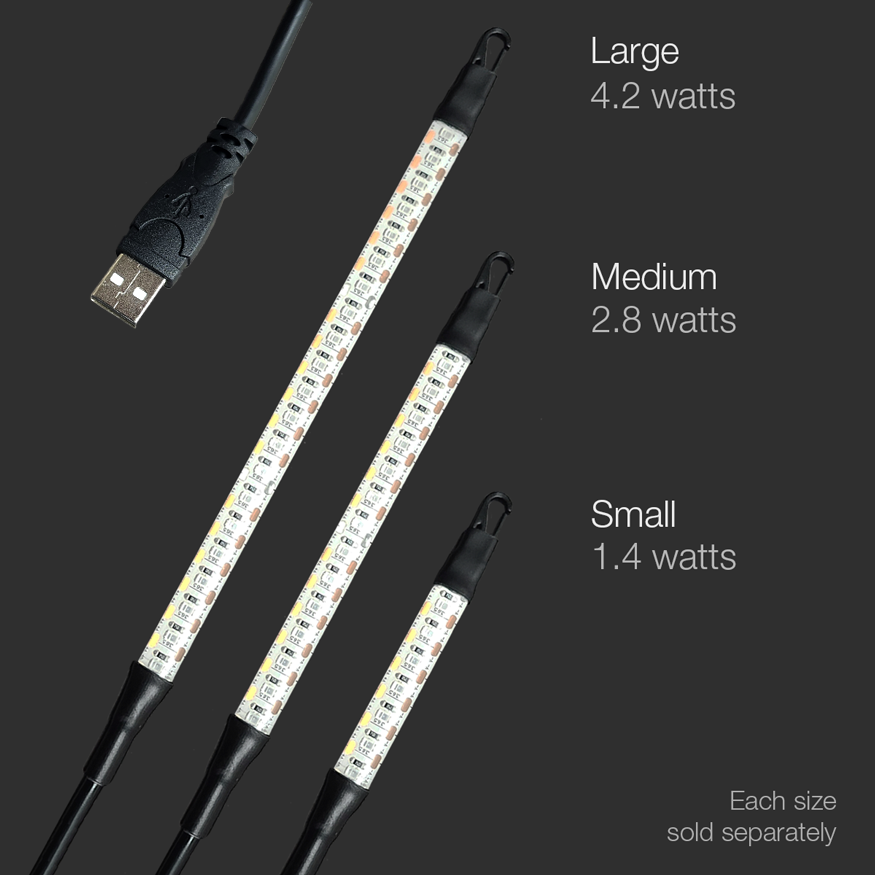
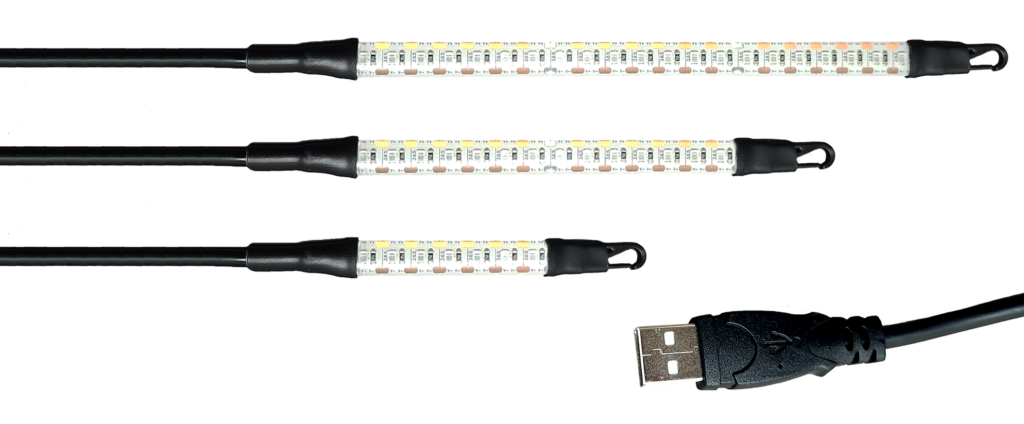
Small — 1.4 W — 2.25 in. illuminated
Medium — 2.8 W — 4.5 in. illuminated
Large — 4.2 W — 6.75 in. illuminated
Lower wattage allows for longer run times, or smaller power banks.
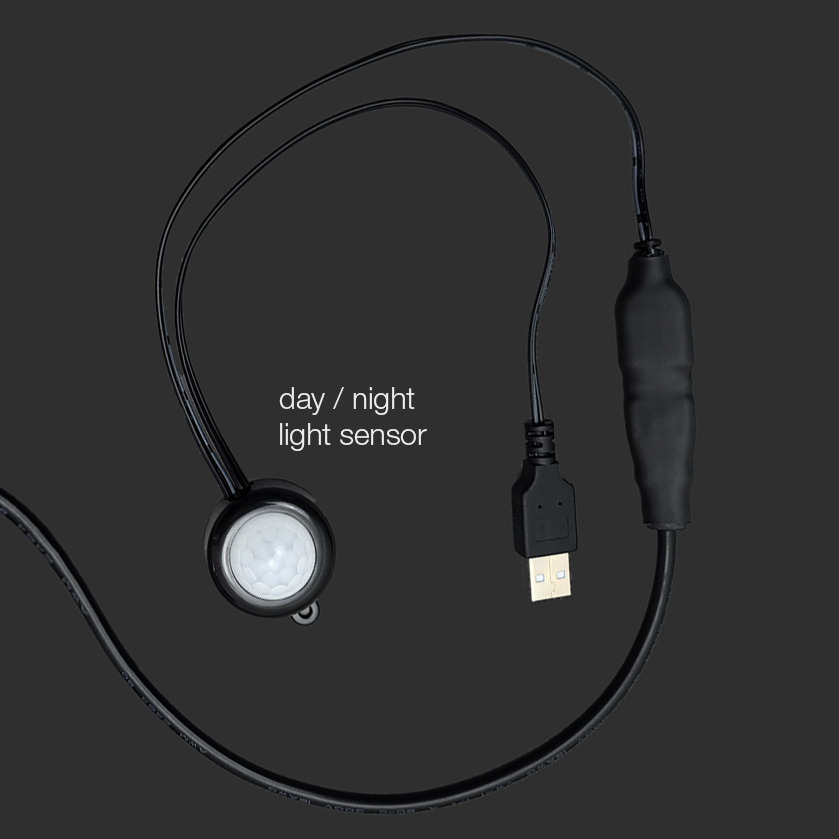
Optional day/night sensor
Automatically turns the light on at night and off during the day for multi-night, unattended operation.
Low-watt blacklight for insect traps
Attracts moths, beetles, and other nocturnal insects
Designed for efficient, unattended trapping
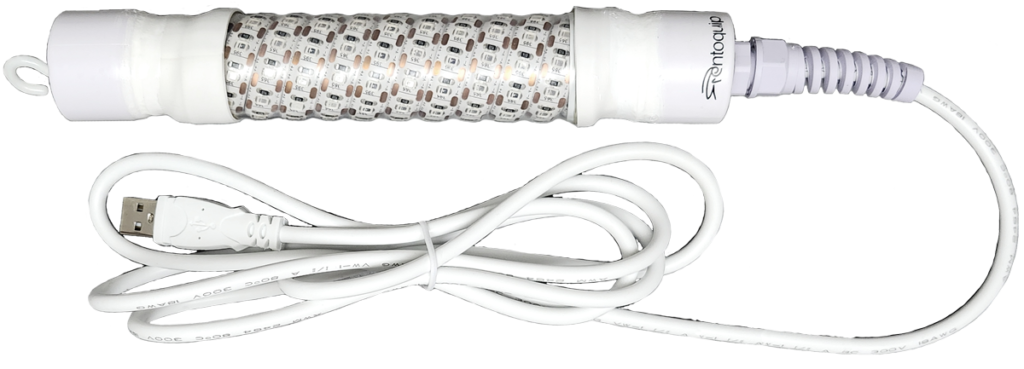
Runs on USB-A power banks
Use with bucket, panel, malaise, and other traps
Rugged, weather-resistant construction
Dual UV output (365 nm + 395 nm)
4 ft. cord
Available sizes
Small — 1.4 W — 2.25 in. illuminated
Medium — 2.8 W — 4.5 in. illuminated
Large — 4.2 W — 6.75 in. illuminated
Lower wattage allows for longer run times, or smaller power banks.
Optional day/night sensor
Automatically turns the light on at night and off during the day for multi-night, unattended operation.
Sensor + Power Bank Compatibility
Most power banks shut off when there is no power draw (when the light turns off during the day).
This can prevent it from turning back on at night.
If using the day/night sensor, use an “always-on” power bank.
Protect the Sensor & Power Bank
For extended outdoor use, especially in rainy conditions, seal the sensor and power supply in a transparent, UV-resistant enclosure.
Independent testing shows modern LED UV performs comparably to traditional fluorescent UV sources. View research →
Why this light uses USB-A instead of USB-C — Learn more →
Our lights are now protected by a clear FEP outer sheath chosen for its exceptional resistance to UV exposure, heat, moisture, and outdoor weathering. FEP maintains excellent clarity and stability over time, helping protect the LED assembly without the yellowing, clouding, or brittleness common to many other clear plastics.
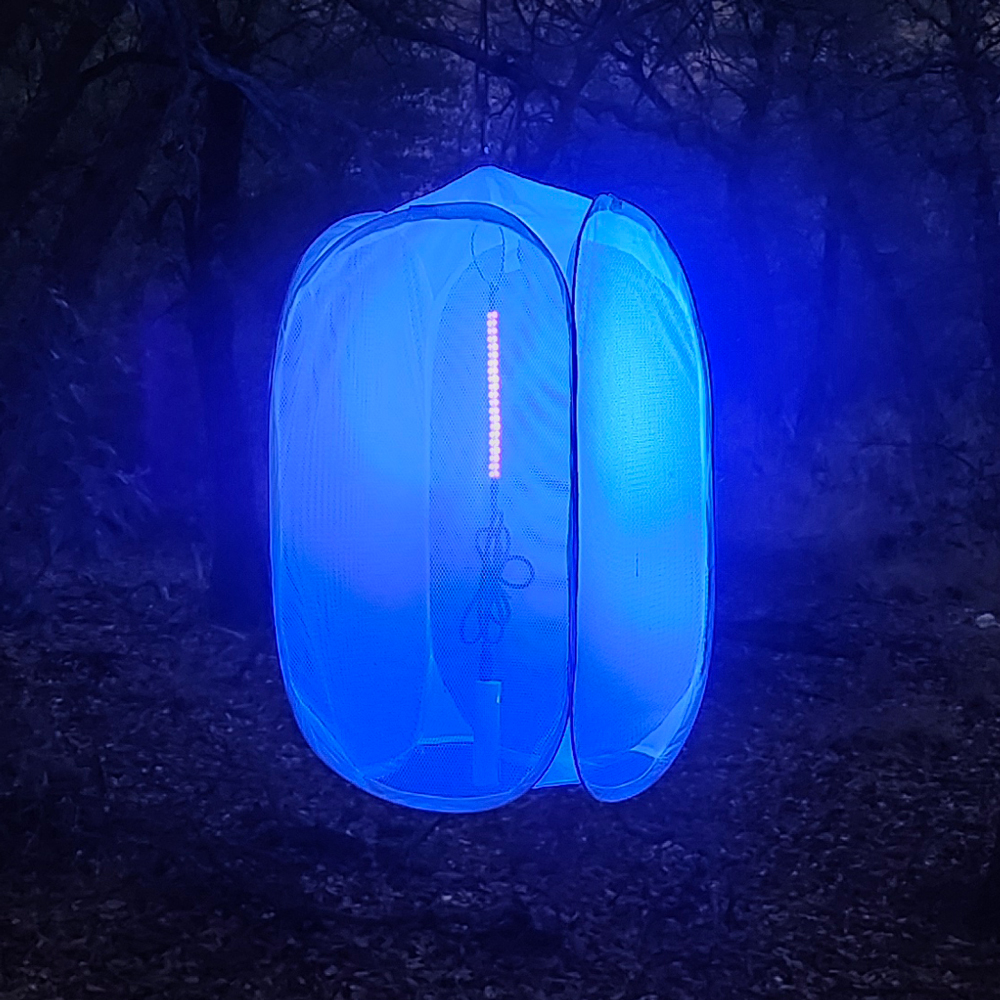
Example Use: Hanging Blacklight Lantern
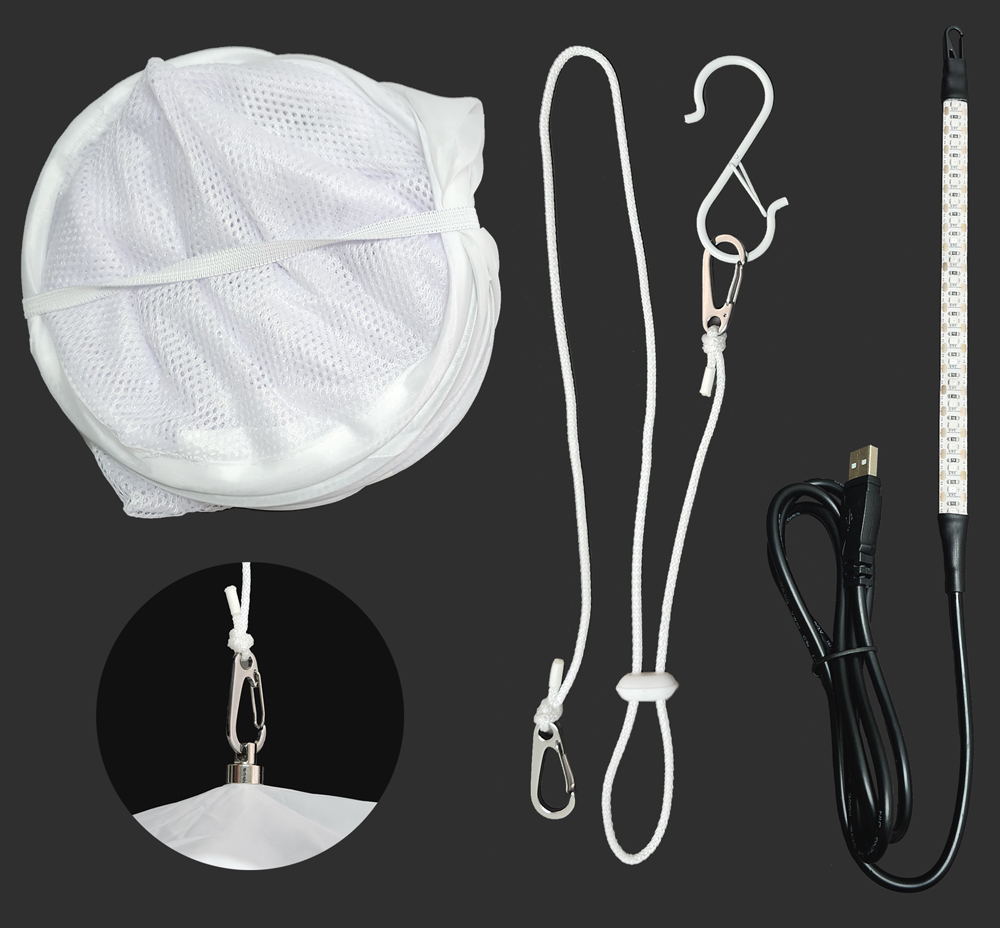
A simple hanging blacklight lantern can be made by placing an Entrap inside a collapsible mesh laundry basket, butterfly enclosure, or similar lightweight mesh container. Hang it from a tree branch, porch hook, or tripod to create a portable UV lantern for attracting insects.
The pop-up basket folds flat to approximately 7 × 7 inches, making it easy to pack in a bag or suitcase for travel.
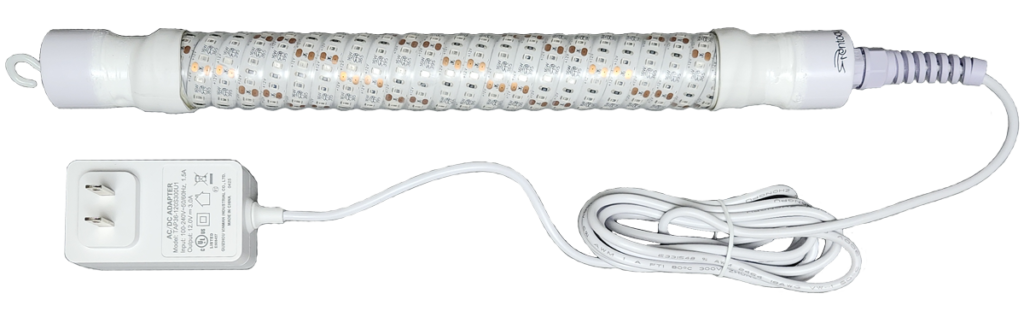
This is a relatively simple DIY project. However, if you would rather avoid sourcing the parts and assembling it yourself, we have a limited number of ready-to-hang Entrap Lantern Kits available for $54.
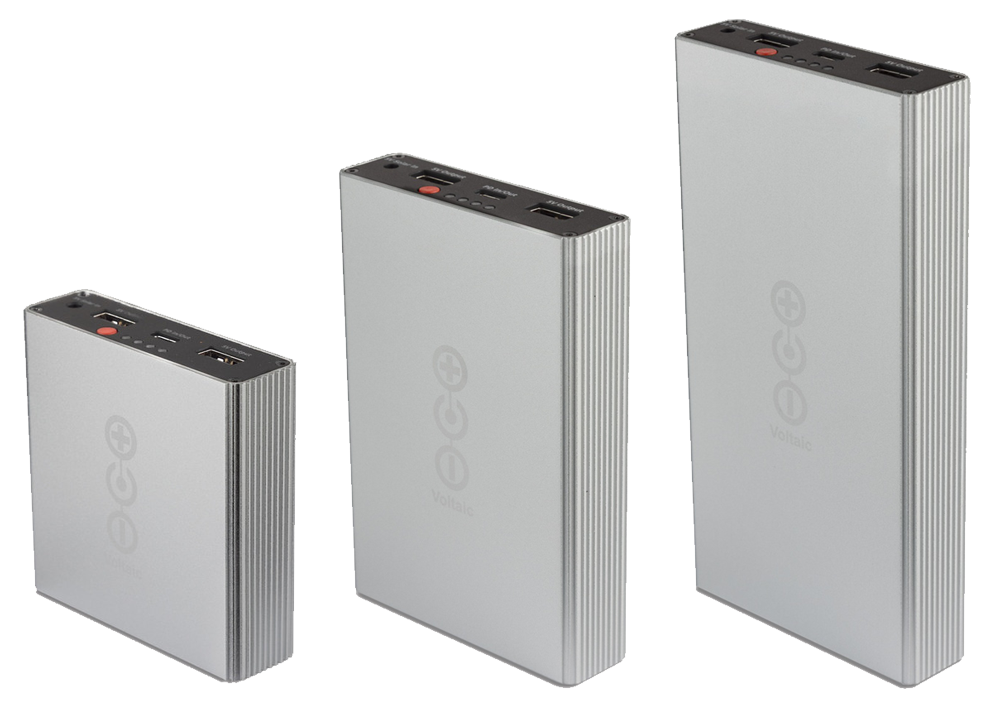
These power banks are designed to stay on continuously, allowing your light to run for multiple nights while unattended. Runtime depends on the light wattage, battery capacity, and temperature. This is not an exhaustive list, and other “always-on” power banks may provide similar results.
Voltaic Always-On Batteries
Voltaic Systems “always-on” power banks won’t turn off when no power is being drawn.
V25 6,700mAh (~25 Wh)
V50 13,400mAh (~50 Wh)
V75 20,100mAh (~74 Wh)
Most USB power banks list capacity based on the internal 3.7 V battery cells, not the 5 V USB output.
mAh × 3.7V ÷ 1000 = Wh
To estimate runtime, divide the battery’s Wh rating by your light’s wattage. Actual usable energy may be about 10–20% lower due to voltage conversion losses when the power bank steps the voltage up to 5V.
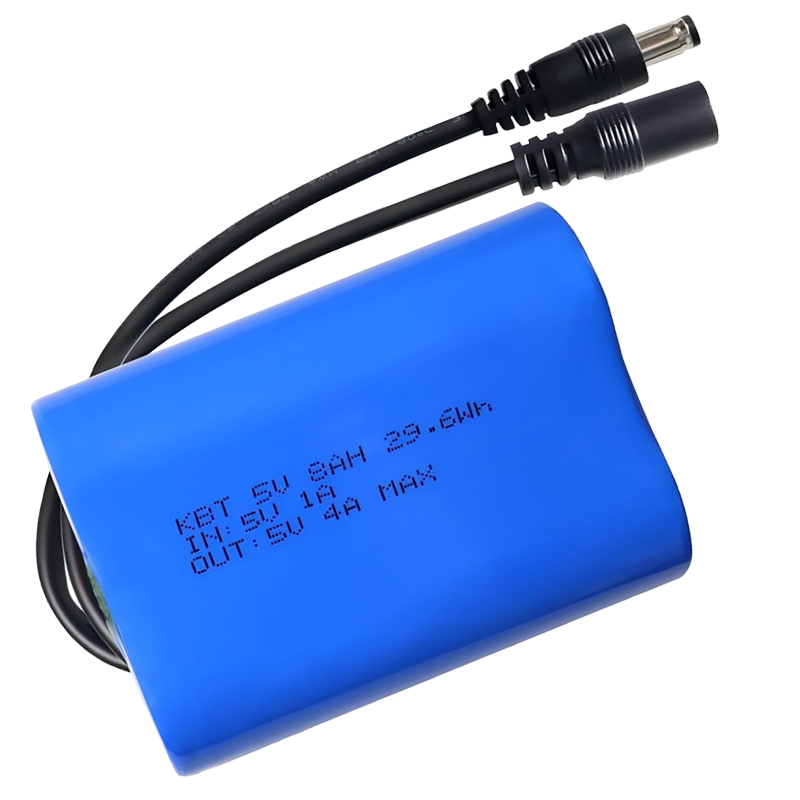
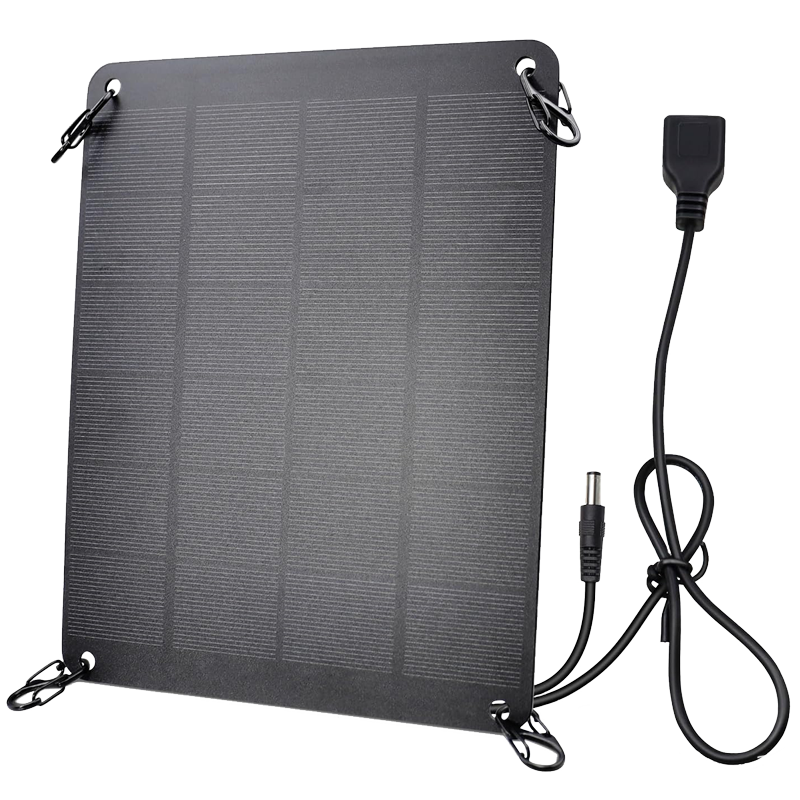
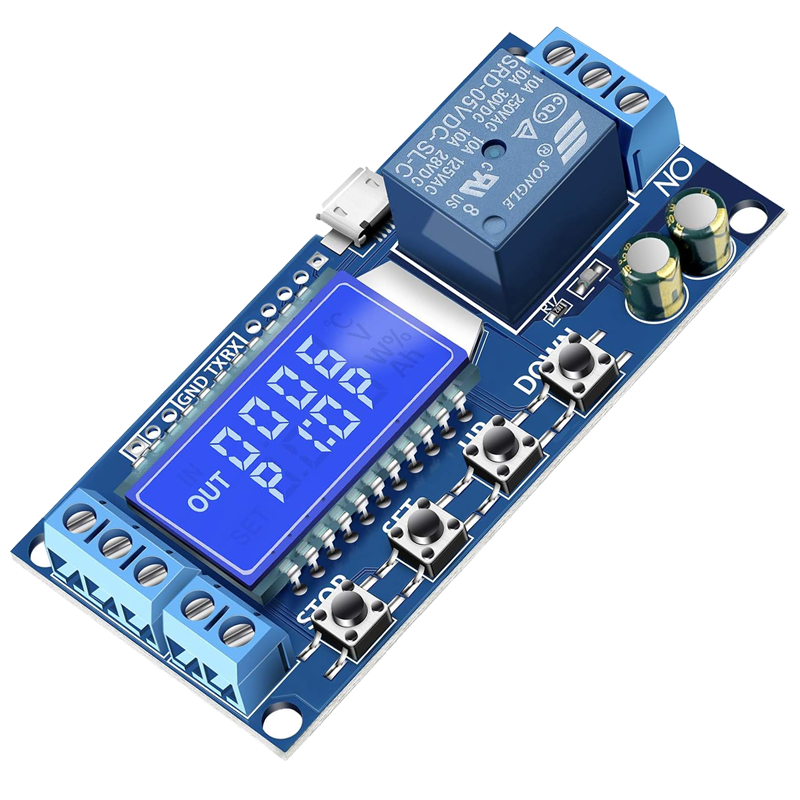
For advanced users, it’s possible to build a custom power setup using battery packs, solar panels, and control modules. Some customers and collaborators are exploring these configurations with our lights. While we haven’t fully tested a complete system ourselves, the components below provide a solid starting point.
Note: Building a custom system requires some technical knowledge and may involve modifying connections.
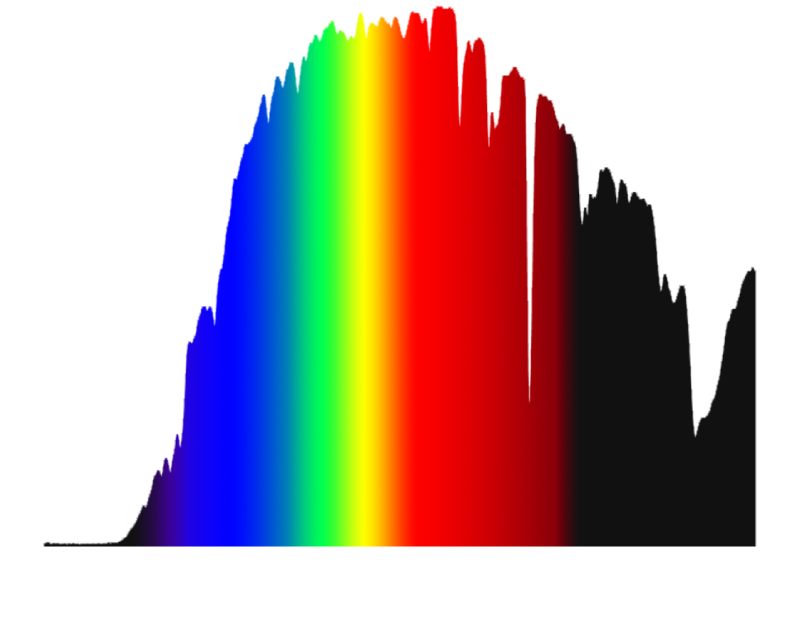
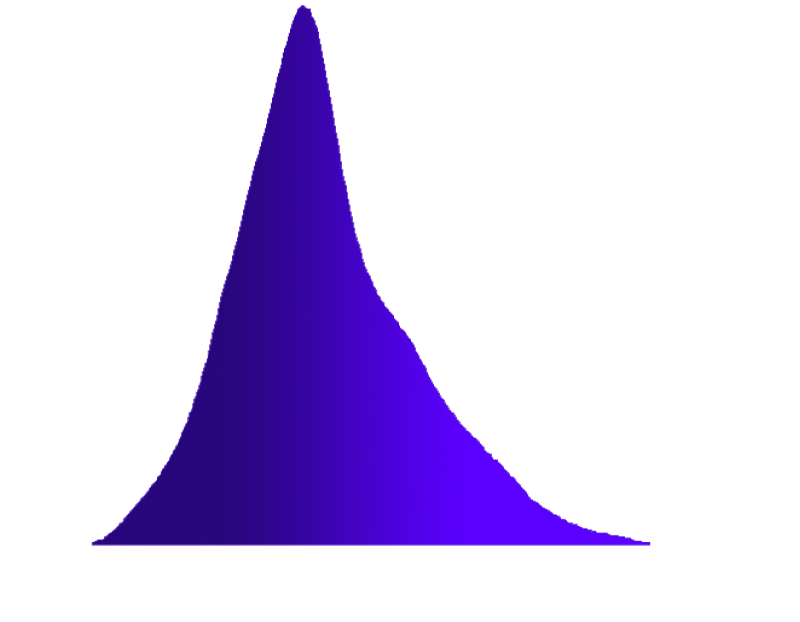
Night-flying insects orient using distant celestial light sources, particularly the moon and UV-rich night sky, and are most sensitive to UV-A wavelengths (315–400 nm). Artificial UV-A lights act as closer orientation cues, disrupting navigation and causing circling and frequent landings near the light, especially on moonless nights. Modern LED technology enable emission at 365 nm and 395 nm, which Entoquip lights combine for broad UV-A coverage.
The Moon
365nm LED
wavelength (nm)
395nm LED
The spectra below compare moonlight with 365 nm and 395 nm UV-A LEDs. Click to expand
Moonlight spectrum
wavelength (nm)
365 nm LED
wavelength (nm)
395 nm LED
wavelength (nm)
Specifications
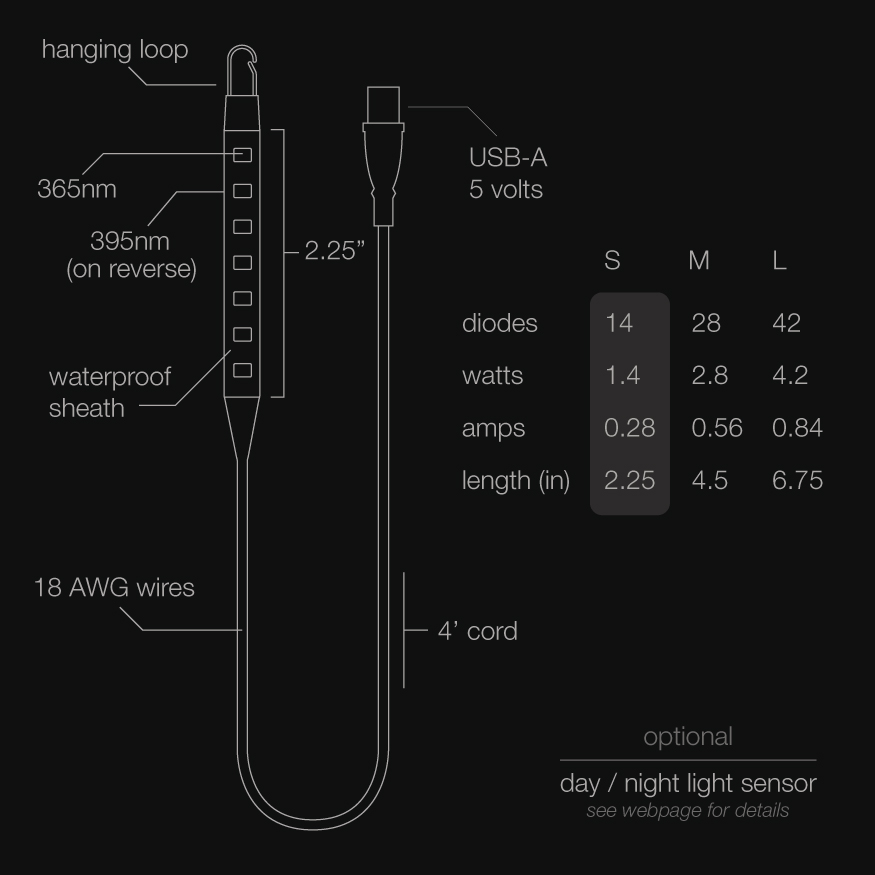
Sizes: Small / Medium / Large
LED count: 14 / 28 / 42
Power: 1.4 W / 2.8 W / 4.2 W
Current draw: 0.28 A / 0.56 A / 0.84 A
Wavelengths: 365 nm + 395 nm
Input: USB-A, 5 V DC
Cord length: 4 ft
Wire gauge: 18 AWG
Mounting: Hanging loop
Construction: Weather-resistant
<
Illuminated length: 2.25 in / 4.5 in / 6.75 in
Assembly: Assembled in USA
UV
Entoquip lights emit wavelengths within the long-wave ultraviolet range. These wavelengths are naturally present in outdoor light, and the emitted intensity is lower than direct daytime sunlight. As with any bright light source, avoid looking directly at the LEDs. UV-filtering eyewear may be used for added comfort during prolonged use.
Heat
Entoquip lights use a high density of LEDs, which means they will get hot to the touch during operation. Surface temperatures typically reach 140–150°F (60–66°C) depending on ambient conditions. This is normal for high-power LED systems. Avoid handling the light while it is running and allow it to cool before repositioning.
We use cookies to ensure that we give you the best experience on our website. If you continue to use this site we will assume that you are happy with it.